Dick
In Cold BloodDick’s characterization turns on the gap between the companion he performs and the partner he intends to exploit. He sizes up Perry Smith as both a person and a possible means to a more comfortable life, while keeping his own ambitions out of view.
In the Car
Dick drives a black 1949 Chevrolet sedan with Perry’s Gibson Guitar in the back seat, where Perry checks that it has not been left behind. Beside the guitar is a new 12-gauge pump-action shotgun, along with a flashlight, fishing knife, leather gloves, and a hunting vest packed with shells. The arrangement places familiar personal property beside equipment associated with a hunting trip, giving the car a double character: it carries Perry’s music and the props of a plausible cover story.
When Perry asks about the vest, Dick taps the windshield and rehearses a pretext: they have been hunting, lost their way, and need to use a phone. His performance is practical rather than spontaneous; the explanation makes the weapons and hunting gear seem ordinary. The scene establishes Dick as someone who manages appearances and treats a cover story as part of the pair’s preparations.
How Dick Assesses Perry
Dick’s view of Perry changes after Perry tells him about killing a man in Las Vegas. Before hearing that story, Dick had regarded Perry as likable but self-involved and dreamy, and had not considered him especially worth cultivating. The account changes his estimate: Dick begins to believe Perry has rare qualities that distinguish him from other men in prison who have killed or claimed they could kill.
Dick interprets Perry as capable of extreme violence without an ordinary motive, and believes he could be directed to serve Dick’s purposes. This is Dick’s judgment of Perry, not an impartial assessment: he treats the story as evidence of a useful capacity and recasts their acquaintance in terms of potential advantage. The change in his opinion is therefore also a change in how he approaches Perry.
Ambition and Concealment
Dick proceeds to court Perry’s favor with flattery and by pretending to share interests that do not appeal to him, including buried treasure, beachcombing, and seaports. The performance is designed to keep Perry from recognizing Dick’s real priorities until Perry has helped him advance them. Dick wants what he calls a regular life: his own business, a house, a horse, a new car, and female companionship. The contrast is central to their partnership as Dick understands it: Perry’s wandering dreams are material for an act, while Dick’s ambitions are conventional and acquisitive.
The calculation is not entirely secure. While waiting, Dick wonders whether he has misjudged Perry and whether Perry might prove ordinary rather than the exceptional partner he imagines. If so, Dick sees the months of planning as wasted and considers abandoning the undertaking. His impatience and doubt reveal the fragility beneath his confident strategy: he has built his plans around a private theory of Perry, and the plan depends on that theory being right.
The Public Account
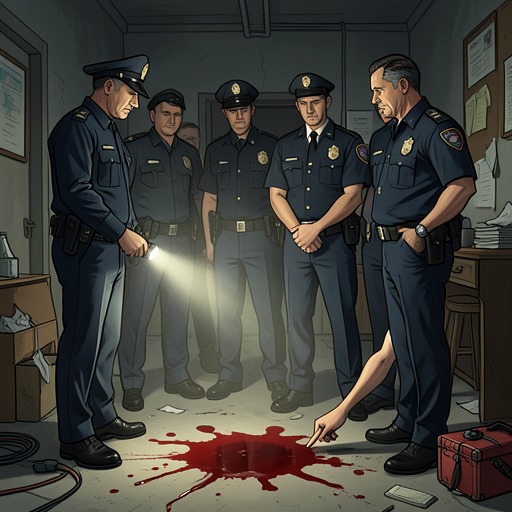
A November 17 report in The Kansas City Star presents investigators confronting a case with few clues and an unclear motive. It describes cut telephone cords, victims bound and gagged, little disturbance in the house, collected shotgun shells, and an unseen arrival and departure. The report’s uncertainty contrasts with Dick’s private certainty about Perry’s capacities and with the deliberate concealment reflected in the car’s hunting pretext.
The article does not resolve the motive; it frames the investigation as a search for a killer or killers whose methods appear calculated. Set beside Dick’s assessment of Perry, that public uncertainty sharpens the difference between what investigators can establish and what Dick believes he knows. His characterization emerges through that tension: he is not merely Perry’s companion, but the planner who thinks he can turn another man’s violence into an advantage while keeping his own design concealed.